
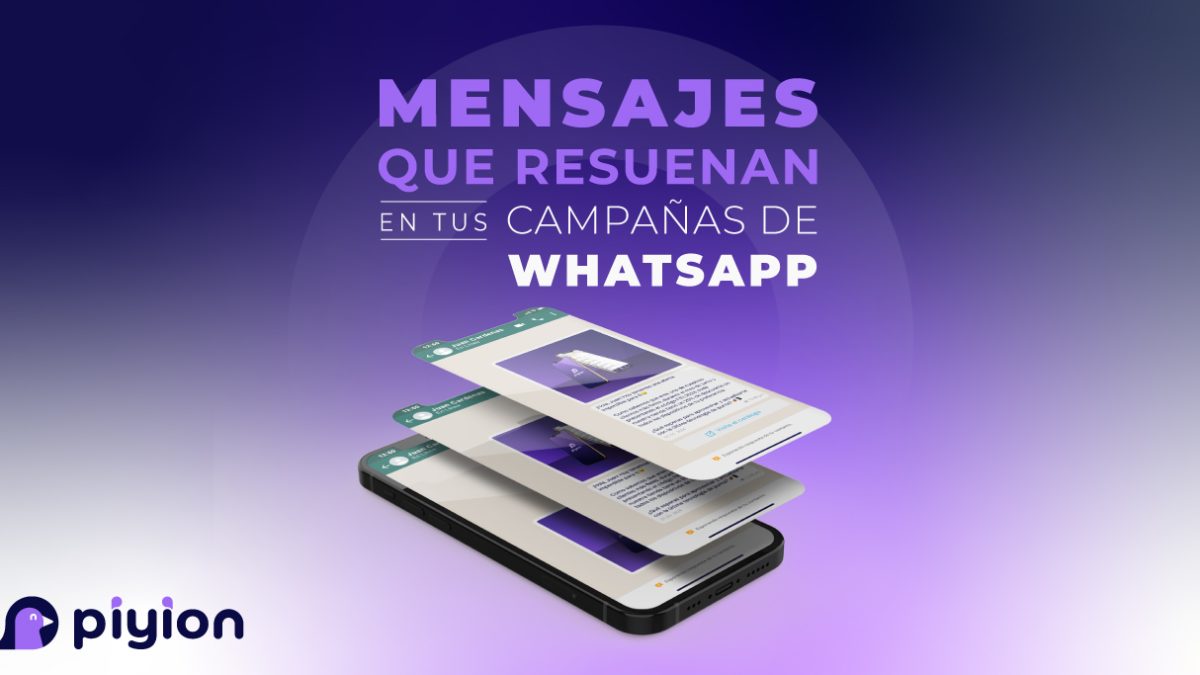
Write WhatsApp Campaign Messages That Are Relevant
Write messages that fit your WhatsApp audience
A successful campaign needs more than a large contact list. The recipient should understand who is writing, why the message matters and what they can do next. Review your own results instead of relying on universal claims about opening or conversion rates.
Five principles for useful messages
- Know the audience. Use relevant interests, needs and previous interactions to decide who should receive the message.
- Be clear and concise. Explain the purpose early and avoid unnecessary jargon.
- Personalize accurately. Use a name or relevant context only when the information is correct.
- Offer something useful. Share a relevant update, practical information or an offer the customer expects.
- Give a clear next step. Invite the recipient to view information, ask a question or complete a specific action.
Plan the campaign around the conversation
Segment contacts, review permissions and choose a suitable send time. Assign someone to handle replies and prepare answers to likely questions. A message that attracts interest still needs follow-up.
Review available delivery and reading information, replies and business outcomes. Compare similar audiences and record what changed between campaigns.
Illustrative message examples
Adapt these examples to a real, accurate offer and the appropriate approved template where required:
- Offer: “Hi [Name], here are the details of the [offer] you asked about: [link]. Reply if you have a question.”
- Event reminder: “A reminder that starts tomorrow at [time and time zone]. You can find your joining details here: [link].”
- Product update: “Here is the information about [product] you requested. See the features and availability at [link], or reply to speak with our team.”
Check links, dates, conditions and personalization fields before sending. Respect requests to stop receiving messages.
Read our guide to planning WhatsApp marketing with Piyion or contact the team to review your campaign process.


 English
 Español