Build a Consistent Omnichannel Customer Experience
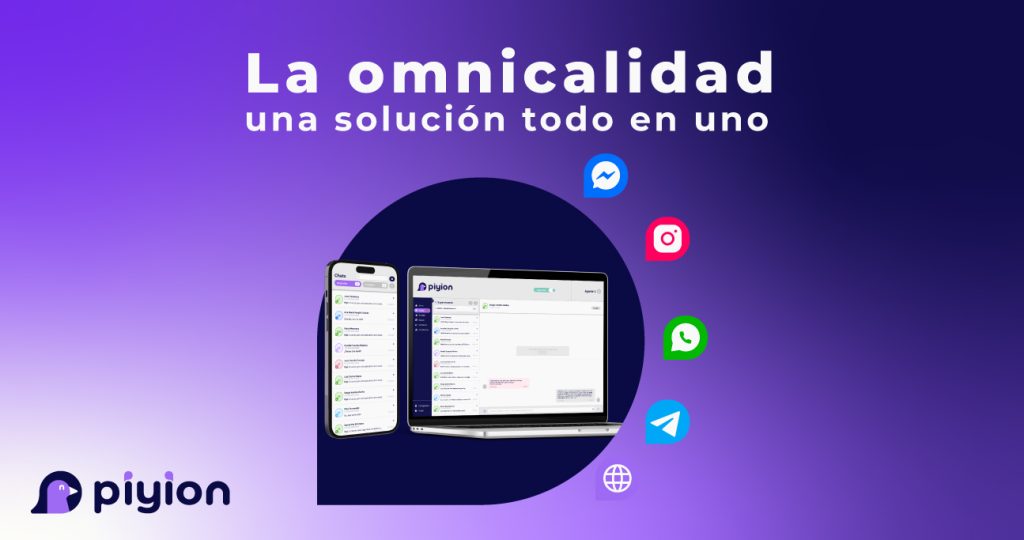
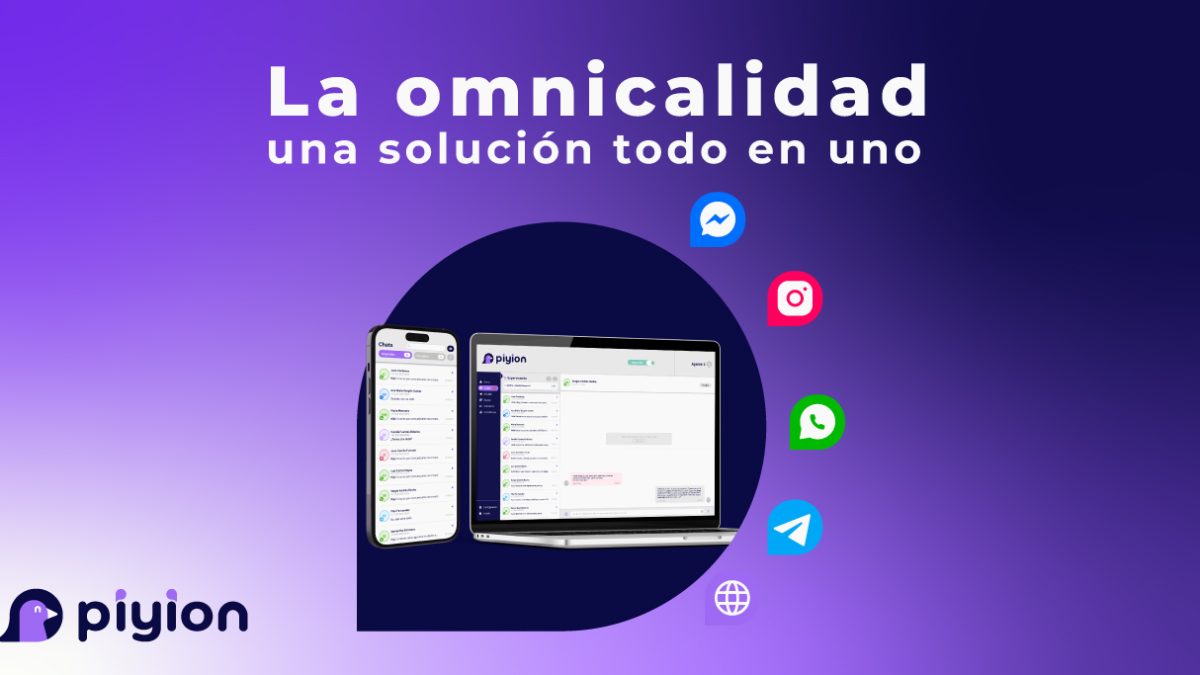
An omnichannel approach connects the customer’s experience across different communication and sales channels. The aim is continuity: a person should receive consistent information and a useful next step when the conversation moves between channels or agents.
Why coordinate your channels?
- Customer context. Shared information helps the team understand previous interactions.
- Consistent service. Customers should not receive different answers to the same question simply because they changed channels.
- Sales follow-up. Clear ownership helps the team continue an enquiry instead of treating every new message as an unrelated contact.
- Operational visibility. Reviewing work in a shared system helps identify queues, repeated tasks and handoff problems.
These practices can support a better customer experience, but retention and sales outcomes still depend on the quality of the service and the offer.
Plan the workflow before connecting tools
Identify the channels customers use, the information agents need and the situations in which a conversation should move to another person. Define what should be recorded and who owns the next action.
Review your platform’s supported channels and integrations. A shared inbox should not be described as connecting every business system unless those connections have actually been configured and tested.
Use Piyion as a shared workspace
Piyion helps teams organize supported conversations in one interface. The WhatsApp CRM connects customer conversations with contacts and opportunities, while the available reports help the team review service activity.
Train agents to review the context before replying and to record what the customer needs next. Measure unresolved enquiries, repeated transfers and follow-up completion to identify where the process needs work.
Read our introduction to omnichannel marketing or contact Piyion to review your requirements.
Omnichannel versus multichannel
Multichannel offers several contact points. Omnichannel aims to preserve continuity between them. A customer repeating the entire request after moving channels reveals a process gap.
Evaluate a complete handoff
Test receiving and replying on contracted channels, ownership, context transfer, duplicate identification and connection failure handling. Do not assume identities or histories merge automatically. Explore Instagram and WhatsApp CRM and customer service.
What Messenger adds to omnichannel service
Messenger is Meta’s messaging service for conversations and shared content. For a business it can be another contact point alongside Instagram, WhatsApp and a website. Multiple channels do not automatically merge contacts and histories.
Check the connected account or page, response ownership and handoff of pending requests. Test receipt, reply and transfer. Review Messenger’s current features and verify your provider’s integrations separately.


 English
 Español